Primarily Primates

News from Primarily Primates


Primarily Primates Newsletter
Winter 2010


Max and Lorenzo: Two Great Escapes

Winter 2010
Lorenzo at PPI

Max and Lorenzo, both aged six, are black-and-white Holstein cows once destined for a veal slaughterhouse. They joined the sanctuary’s other two cows, Daisy and George, and are spending the winter on 10 acres of the sanctuary’s land. Later this year they’ll have access to a full 65 acres.

After Max was pulled from his mother so that her milk could be sold, he was housed without food or water for four days while the dairy farmer waited for the truck that hauled veal calves to slaughter to arrive. When the truck came, Max collapsed, and the farmer started to beat him with a stick to force him to stand. A witness called the police, who confiscated the young calf, and sent Max to Sunny Day Farm sanctuary in LaCoste, Texas. The sanctuary manager spent hours caring for Max—near death from starvation and shock. Thanks to the caring people who rescued Max and invested in his survival, he’s now very big, covered with patches of black fur.

read full article

Watermelon Party Video

October 21, 2009


Enjoy the fun. See Video


The Fruit of a New Alliance: The Primarily Primates Advisory Board

Autumn 2009

Update from Priscilla Feral , President

Servals at Primarily Primates, Photo: Jane Seymour

Anticipating the future. Moving to higher levels of excellence. ensuring the highest quality of care for every individual who is provided sanctuary at Primarily Primates. It is all part of what we’re doing and how we’re incorporating alliances of caring, dedicated, and knowledgeable people. We are pleased to announce the creation of the Primarily Primates Advisory Board.

The board includes two veterinarians—Diane McClure, DVM, Phd, DAClAM, and Elysse Orchard, DVM—joined by animal behavior consultant Traci Shreyer, MA. All three are experienced in working with primates and animals in need of sanctuary. Dr. Orchard has cared for chimpanzees in several sanctuaries, both in the United States and Africa.

read full article

Stick Up for Primarily Primates
Struggling to Confirm Refugee Animals’ Right to Exist in Texas

by Friends of Animals Staff Writers | Summer 2009

Primarily Primates is in the best shape the sanctuary’s been in three decades. As a Friends of Animals refuge, the expansive site has a renovated infrastructure, beautifully expanded and renovated living spaces for birds and primates, and on-site veterinary support. The doors are open even to chimpanzees owned as pets, a class of primate made tragically newsworthy by the case of a confused adolescent chimpanzee attacking a human being in Connecticut.

We can tell the public how dangerous and downright wrong it is to buy animals and lock them up in cages in their homes. And we can do everything possible to stop it from being allowed. But in the meantime, people are still able to do these things, and when the situations go downhill, here come the animals, needing refuge. Animals need Primarily Primates.

read full article

Primarily Primates Newsletter
Summer 2009

Who’s That New Chimpanzee – Curious George? No, It’s Buck!

Summer 2009

Update from Priscilla Feral , President

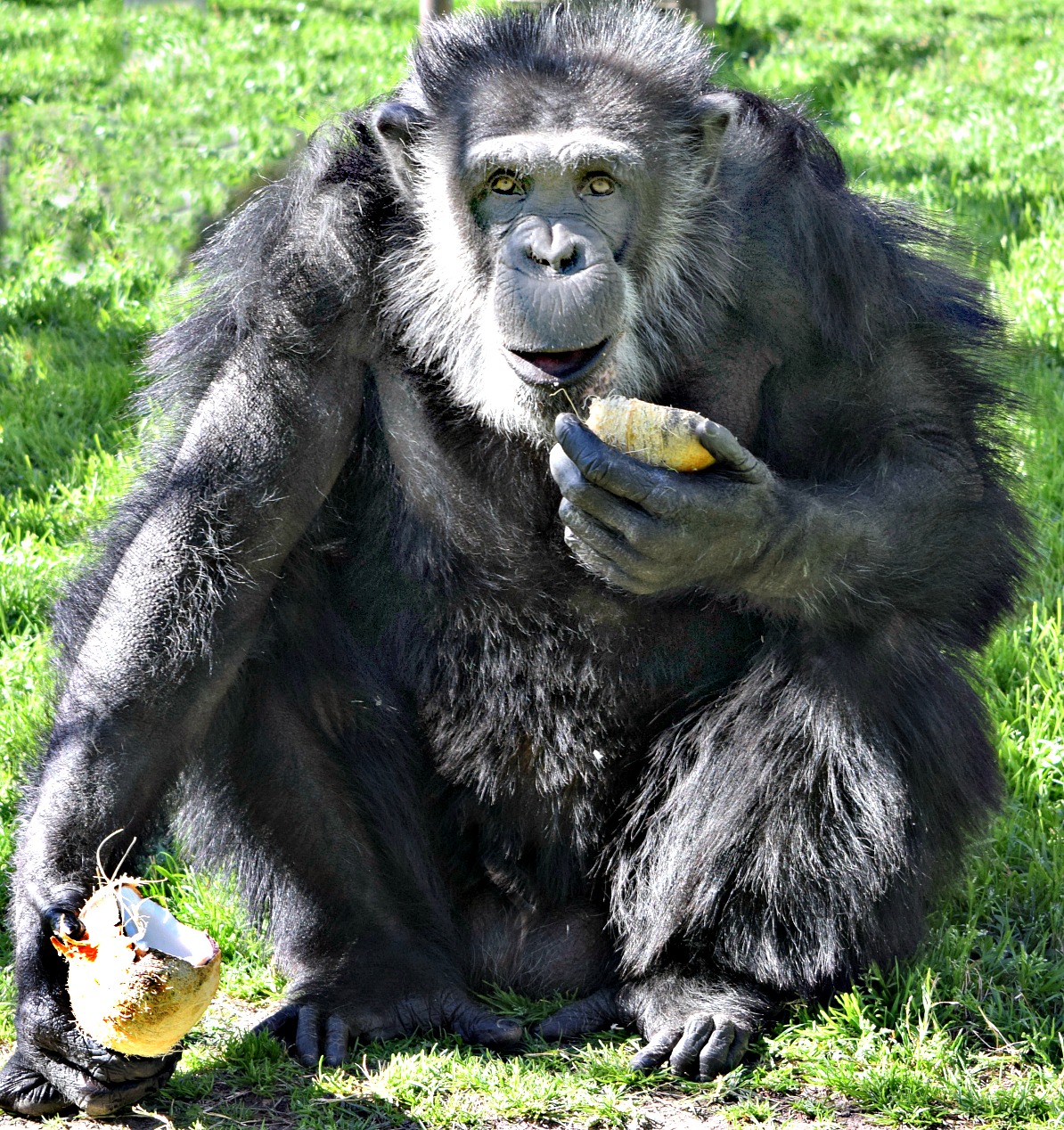
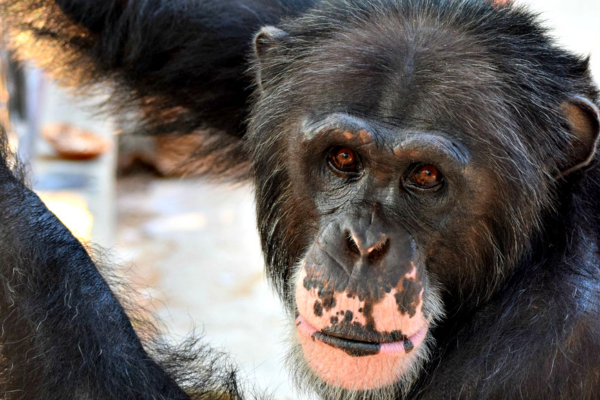
Buck was born on the 15th of September 1994, to be kept as one of three chimpanzee pets in a Missouri home. Buck did a lot of things no chimpanzee born free in Africa would have ever done: live inside a house. Receive drinks of beer.

As the couple that owned Buck aged, it became apparent that Buck would outlive them—and it became terribly expensive to keep three mature chimpanzees, especially when it turned out—well, is it any surprise that full-grown chimpanzees will beat up on each other in close quarters?—Buck had to be separated from the others.

One of the owners contacted Primarily Primates in March 2009, desperate to find out if the refuge could accept Buck. After the owner agreed to send some money with Buck—to help pay for initial vet checks, a vasectomy and basic care— travel arrangements were made. On the 13th of April 2009, Buck arrived in San Antonio , and the sanctuary’s staff and veterinarian Dr. Val Kirk were on hand to ensure Buck safely returned to consciousness.

When I saw Buck the next day, he wasn’t much interested in fruits and vegetables, and we found it would take more time for Buck to learn about mangoes, greens, melons, oranges and other fruits and vegetables. Stephen bought strawberries, thinking sweet fruit could help the adjustment.

read full article

Recent News